Persistent identifiers and open records for scholarly publications
A permanent identifier, an open public record and a searchable, preserved full text for every article of participating journals.
 Permanent identifier
Open metadata
- 40
- Identifiers issued
- 40
- Public records
- 3
- Participating journals
- 40
- Published and active
Live figures from the registry database.
Participating journals
What ORI provides
A registry, a repository and a preservation service
Three services that work together so that a scholarly article can always be found, cited and verified.
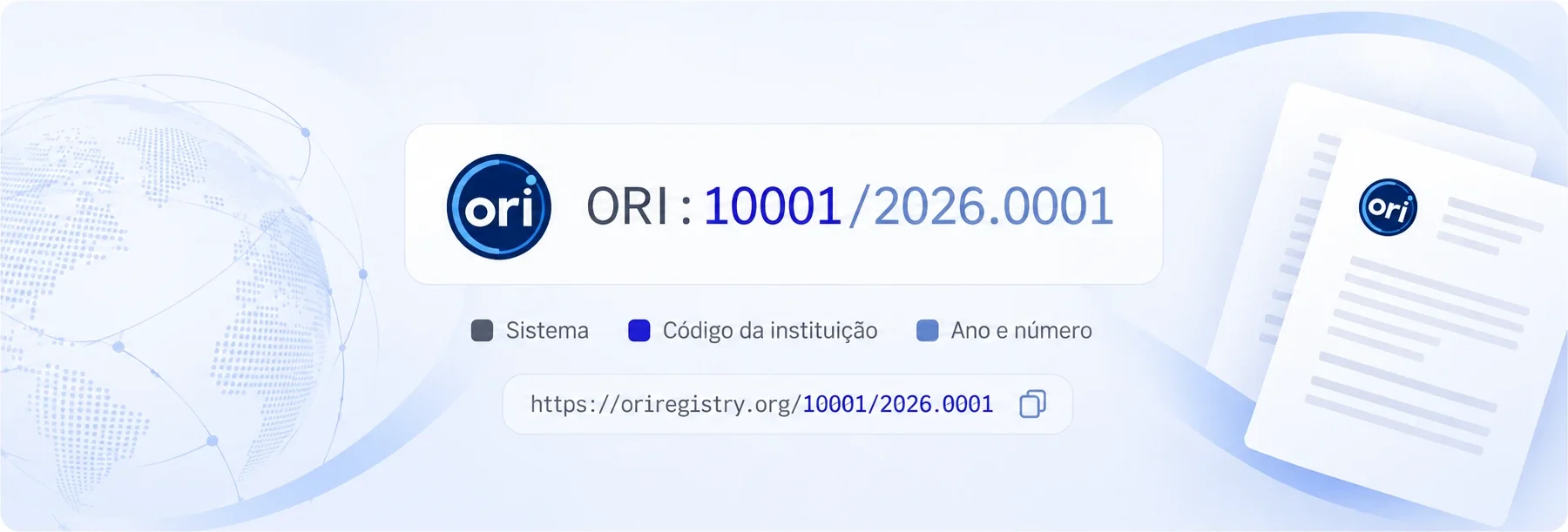
ORI Registry
One identifier, for good
Every record receives a code issued only by the central registry. It is never changed or reused and always opens the public record page.
- The institution code identifies the organization responsible for the journal.
- Every change is kept in the record history; corrections and retractions are shown.
- Issued free of charge to every approved scholarly journal.
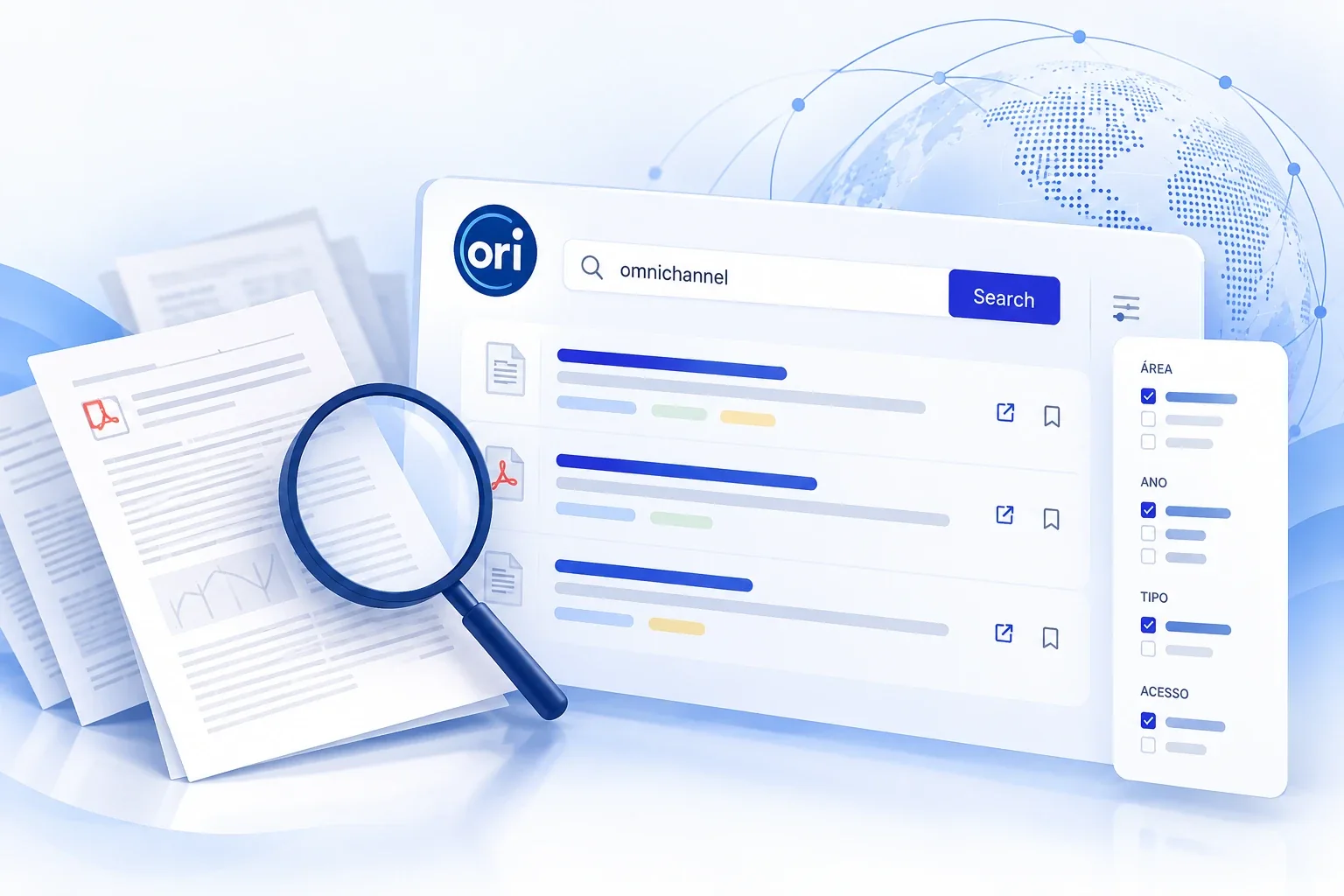
ORI Research Repository
Search inside the articles, not only their titles
The repository brings together every public record with its journal, authors and institution, and indexes the full text of the deposited PDFs.
- Filters by area, year, type, journal and access.
- Researcher profiles built only from confirmed authorship, never from name matching.
- Thematic collections curated by the participating institutions.
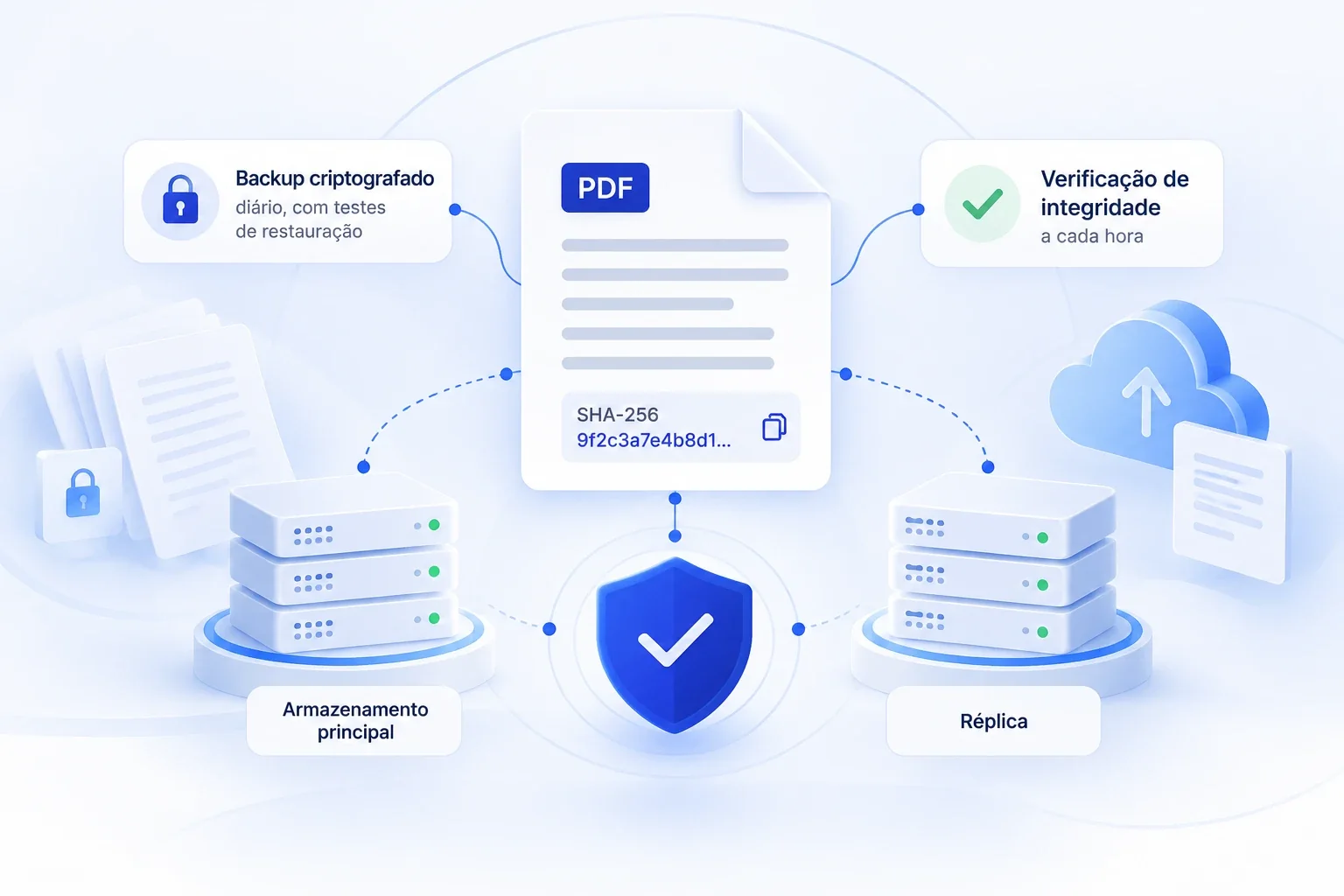
Preservation and integrity
Files that can be verified by anyone
Deposited files are checked for security, stored with a checksum and a replica, and verified on a regular schedule. The registry database is backed up, encrypted, every day.
- Checksums shown on the record page of every deposited file.
- An audit log whose entries cannot be altered without detection.
- The state of every service on a public status page.
Latest records
Recently registered publications
- ORI:10002/2026.00032026 DEMOCRATIZAÇÃO DA EDUCAÇÃO E A EXPANSÃO DO ENSINO A DISTÂNCIA NO BRASIL: UMA REFLEXÃO DA META 12 DO PLANO NACIONAL DA EDUCAÇÃO 2014-2024 Cristina Tischer, Marcelo Socorro Zambon · Zoom Business Review
- ORI:10002/2026.00022026 A EXPANSÃO DOS CURSOS DE GRADUAÇÃO EM ADMINISTRAÇÃO NO BRASIL MEDIANTE O CENSO ANUAL DO INEP (2009-2018) E AS TRANSFORMAÇÕES DO ENSINO SUPERIOR FRENTE ÀS NOVAS DEMANDAS GERADAS PELA INDÚSTRIA Cristina Tischer R. Aparecido, Gilberto Ranalli Aparecido, Marcelo Socorro Zambonq · Zoom Business Review
- ORI:10002/2026.00012026 DESAFIOS DA GESTÃO NO USO DE NOVAS TECNOLOGIAS PELAS ORGANIZAÇÕES FRENTE A DIVERSIDADE CULTURAL BRASILEIRA Eder Moreira de Freitas, Marcelo Socorro Zambon, Valquiria Maria Augusti · Zoom Business Review
- ORI:10001/2026.00112026 RELATIONSHIP MARKETING AND CUSTOMER RETENTION: THE ROLE OF SATISFACTION AND TRUST IN THE RELATIONSHIP WITH THE BRAND IN AN INTEGRATIVE REVIEW Carolina Ferreira Correa, Ingredy Costa Pagotto, Raynne Beatriz Oliveira et al. · Oxton Science Journal
- ORI:10001/2026.00102026 GENERATION Z AND CONSUMER BEHAVIOR: BRAND IDENTIFICATION, PERCEIVED AUTHENTICITY AND PURCHASE INTENTION Geovanna Neres Andrade, Larissa Rodrigues Vera, Nicole Hellen Souza Oliveira et al. · Oxton Science Journal
- ORI:10001/2026.00092026 BRAND DYNAMICS AND CONSUMER TRENDS IN THE COSMETICS MARKET: FROM THE MARKETING MIX TO COHERENCE BETWEEN PROMISE AND DELIVERY Ana Livia da Silva Bastos, Camila Graziele Olivo Moura, Donovan Cauet Santos et al. · Oxton Science Journal
 ORI:10002/2026.0003
For researchers
Your researcher profile, with every verified publication
One public page with your ORCID iD, education, institutional affiliation and the articles you authored in journals that use ORI — each one with its permanent identifier.
- Verified authorshipPublications are linked by your confirmed ORCID iD or by the journal, never by name alone.
- First author and co-authorEvery article shows your role, the journal, the reference and the DOI when there is one.
- Your output at a glancePublications by year, type and journal; export to BibTeX, RIS or CSL-JSON.
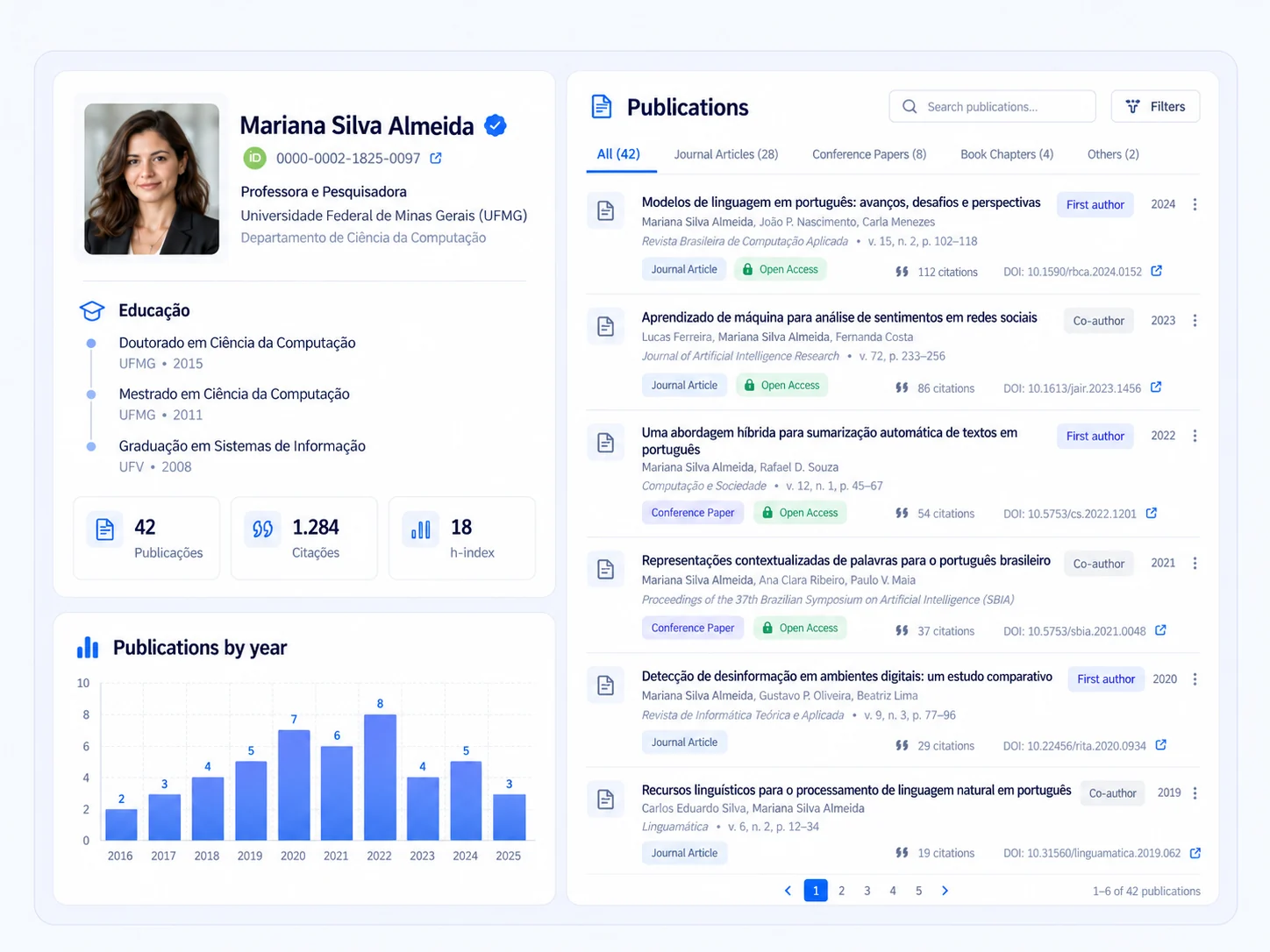
Researchers in ORI
All researchers →
How it works
From the journal website to an open, persistent record
- 1
Register
The journal sends the article metadata from the dashboard or the ORI API.
- 2
Verify
ORI checks the credential, required metadata, duplicates and that the article page is online.
- 3
Issue
A permanent ORI identifier is issued and confirmed only after it is safely stored.
- 4
Resolve and share
A public record page with citations, exports, API access and OAI-PMH harvesting.
Who uses ORI
Built for everyone in scholarly publishing
For journals
Register articles when they are published, show the ORI on the article page and keep metadata and full text preserved.
For readers and authors
Find articles by title, author, ORCID iD, identifier or a word of the full text, and cite them in ABNT, APA or Vancouver.
For repositories and systems
Reuse open metadata through the REST API, harvest it by OAI-PMH 2.0 or export it in JSON-LD, CSL-JSON, BibTeX and RIS.
Register your journals in ORI
Publishers, universities and research institutes can apply to participate. Identifiers are free; WordPress and OJS journals connect in minutes.
ORI is an institutional identifier of Oxton. It is not a DOI, not a Crossref registration and not an internationally accredited identifier.